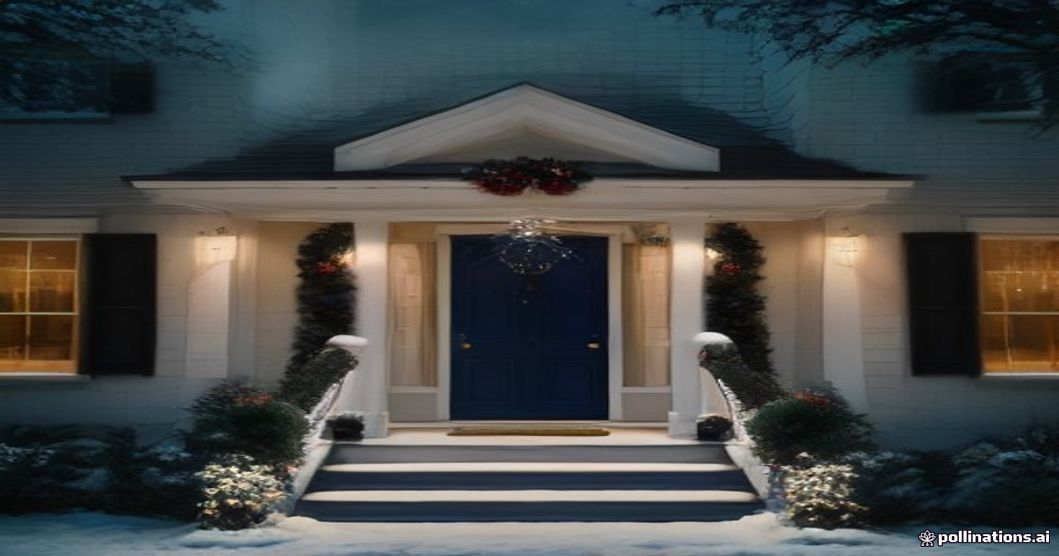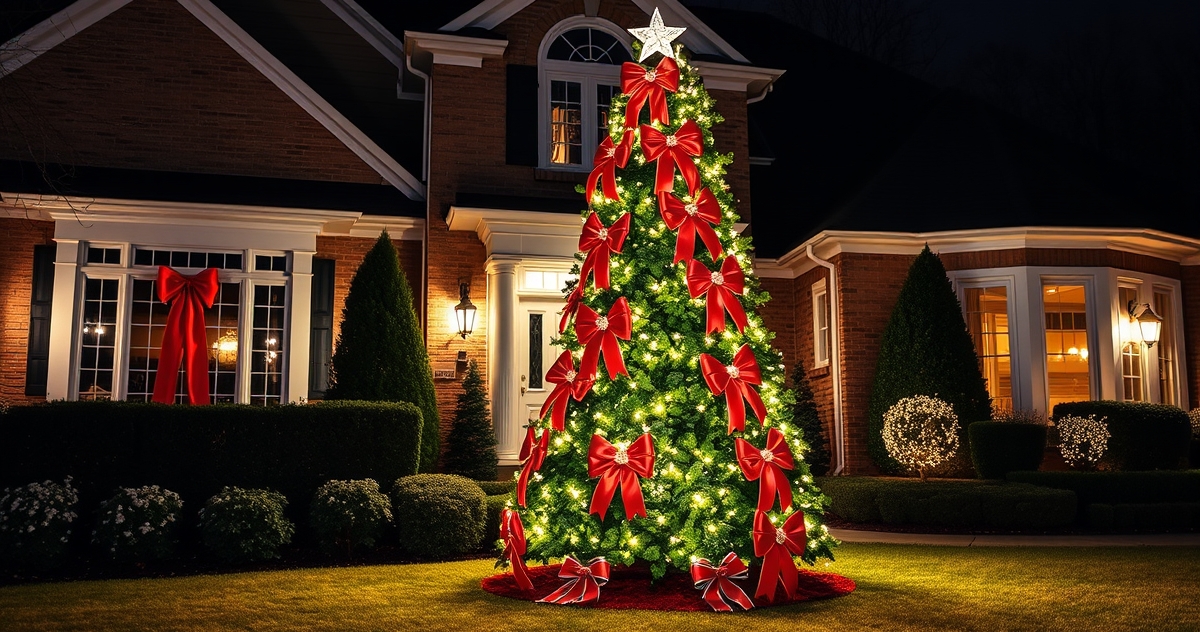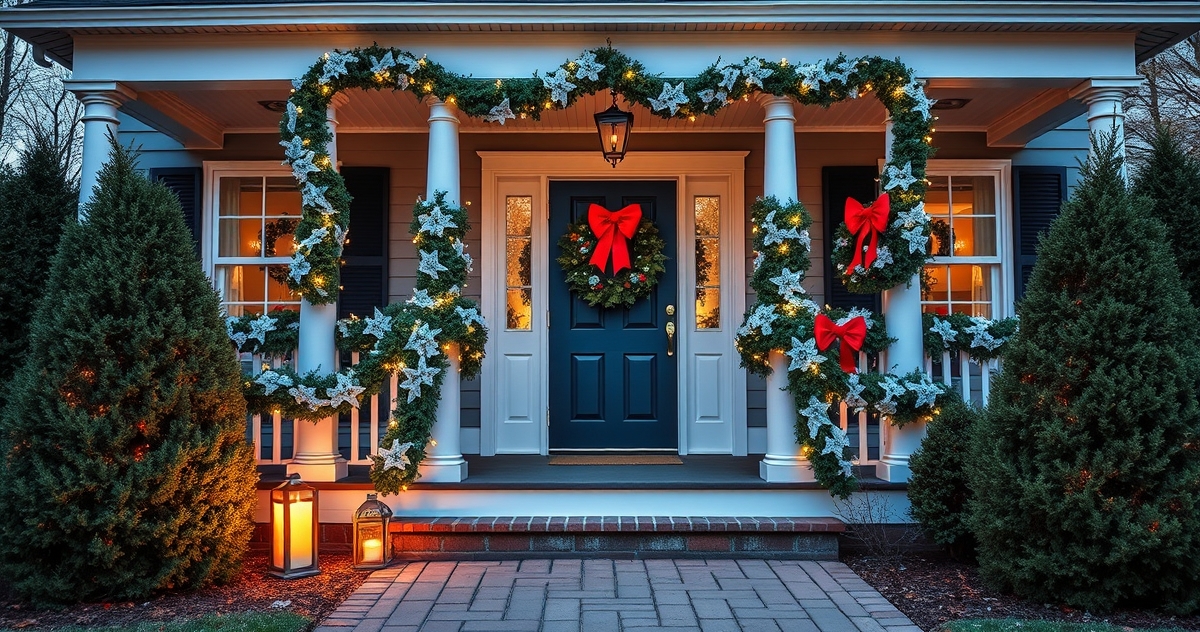
The hardware nobody photographs is the hardware that keeps your roofline glowing through a January nor'easter. Every December, the warm white C9 bulbs and crisp cool white roof lines get all the credit — but the unsung heroes are the tiny clips and cable that anchor every strand against wind, ice, and salt air. And the best month to think about all of it isn't October. It's June.
Smart Rhode Island homeowners who plan their holiday light clip hardware selection in Rhode Island during the quiet summer months end up with cleaner installs, zero surface damage, and none of the supply headaches that plague last-minute decorators. Here's exactly why June deserves a spot on your holiday-planning calendar.
Matching Clip Types to Your Roofline, Gutters, and Shingles
There is no universal clip. The right hardware depends entirely on the surface you're attaching it to — and choosing wrong is how you end up with cracked shingles, bent gutters, or strands that sag and slide after the first freeze.
Three workhorses cover the vast majority of Rhode Island homes:
- All-in-one shingle clips — these slide under the lip of an asphalt shingle and hold a C9 bulb upright in one motion. They're ideal for rooflines without gutters and create that clean, evenly spaced row of warm white C9 bulbs that defines a classic display. Because they tuck under the shingle rather than puncturing it, they protect your roof surface.
- Gutter clips — designed to grip the front edge of a gutter, these are the go-to for homes where the gutter runs the full perimeter. They keep cable tight against the fascia and angle bulbs forward for maximum visibility from the street.
- Combination clips — for transitions where a roofline meets a gutter section, hybrid clips let you carry one continuous run without switching hardware mid-strand.
Getting this match right requires actually looking at your roof. Our roofline lighting assessment identifies exactly which clip belongs on which run, so nothing gets forced onto a surface it wasn't built for. Pair that with proper gutter and roofline prep and you eliminate the two biggest causes of mid-winter strand failure: loose mounting and damaged surfaces.
Why Sourcing Hardware in June Beats the Fall Scramble
Here's the part most homeowners never see coming. Clips and cable are commodity items — and every installer, big-box store, and DIY decorator in the Northeast is buying them at the same time in October and November. Demand spikes, inventory thins, and suddenly the exact shingle clip your roof needs is backordered until December.
Planning in June changes everything:
- Full inventory selection — you get the precise clip style, spacing, and quantity for your home rather than whatever's left on the shelf.
- No rush fees — expedited shipping and last-minute sourcing costs evaporate when you're ordering months ahead.
- Time to test fit — measuring twice and confirming clip compatibility is relaxed work in summer, not a frantic November afternoon.
- Bundled with design — locking hardware early lets you finalize bulb counts, choosing between warm white and cool white C9 bulbs with the cable runs already mapped.
This is the same logic behind early booking for Christmas light installation — the people who plan in summer simply get better results for less stress. If you're weighing the full picture, our guide to summer planning advantages for Christmas lights breaks down everything June unlocks.
Coastal Rhode Island: Corrosion, Salt Air, and Wind
From Newport to Narragansett to the shoreline neighborhoods of Warwick, Rhode Island homes face conditions that inland decorators never think about. Salt air accelerates corrosion, and winter coastal winds put real stress on every fastening point. The wrong hardware doesn't just fail — it stains your fascia with rust and lets entire strands whip loose in a gale.
What coastal-grade hardware looks like
- Corrosion-resistant materials — UV-stabilized, weather-rated polymer clips and stainless or coated metal components that won't rust streak down your trim.
- Tighter clip spacing — coastal installs use closer intervals to distribute wind load and prevent the long sags that catch gusts.
- Secure cable management — runs are fastened, not draped, so a 50 mph December wind doesn't turn your roofline into a kite.
We cover the broader weather picture in our piece on coastal weather and holiday light installation, and the same principles apply to multi-story homes covered in our multi-story installation planning guide. Coastal hardware isn't an upgrade here — it's the baseline for anything that's going to last the season.
Hardware and Color Work Together
Your clip choice and your color choice are more connected than you'd think. The spacing of your shingle or gutter clips determines bulb-to-bulb distance, which shapes how a warm white roofline reads from the curb versus a cool white one.
Warm white C9 bulbs at standard spacing create that golden, inviting glow that suits a Colonial or shingle-style coastal home. Cool white reads crisper and more modern — and benefits from precise, even clip spacing because any irregularity is more visible in the brighter, bluer tone. If you're still deciding, our comparison of cool white vs. warm white holiday lights will help you lock the look before the hardware order goes out.
Planning both together in June means your custom design arrives complete: the right clips, the right spacing, and the right color, all specified before a single fall installer is overbooked.
A Simple June Hardware Checklist
Use these steps over a summer weekend to get ahead:
- Walk your roofline — note where you have shingle edges, full gutters, and transition points.
- Measure your runs — total linear footage determines cable length and clip quantity.
- Identify coastal exposure — if you're near the water, flag every run for corrosion-resistant hardware.
- Confirm bulb spacing — your C9 spacing drives both clip count and the final look.
- Source early — order or reserve hardware now to dodge fall shortages.
Prefer to skip the ladder? Our team handles all of this through a single quote and on-site survey, matching every clip to every surface so your install is dialed in before fall ever arrives.
Frequently Asked Questions
Will holiday light clips damage my roof or shingles?
Not when matched correctly. All-in-one shingle clips slide under the shingle lip without puncturing, and gutter clips grip the gutter edge rather than the roof itself. Damage happens when the wrong clip is forced onto the wrong surface — which is exactly what a June assessment prevents.
Why can't I just buy clips in November when I install?
You can try, but November is peak demand across the entire Northeast. Specific clip styles sell out, rush shipping fees climb, and you're often stuck with whatever's left rather than the exact hardware your roofline needs. Sourcing in June guarantees selection and avoids premium pricing.
Do coastal Rhode Island homes really need different hardware?
Yes. Salt air corrodes standard metal components and stains fascia, while winter coastal winds put far more stress on fastening points. Corrosion-resistant clips and tighter spacing are essential for shoreline properties to survive the season securely.
Can I reuse my clips and cable next year?
Quality clips and cable are absolutely reusable, especially if stored properly over the summer. Investing in durable, weather-rated hardware now pays off across multiple seasons. Pairing them with permanent or semi-permanent solutions is something we plan during summer consultations.
Does clip spacing affect how my lights look?
Significantly. Spacing controls the distance between C9 bulbs, which shapes the overall glow. Cool white especially benefits from precise, even spacing since irregularities are more visible, while warm white is more forgiving and creates a softer effect.
The difference between a roofline that dazzles all season and one that sags loose by New Year's often comes down to hardware chosen months in advance. If you'd like Rhode Island's experienced holiday lighting team to match the right clips, cable, and C9 bulbs to your home — and handle professional installation when the season arrives — reach out today or call (401) 271-1881. Plan in June, relax in December.