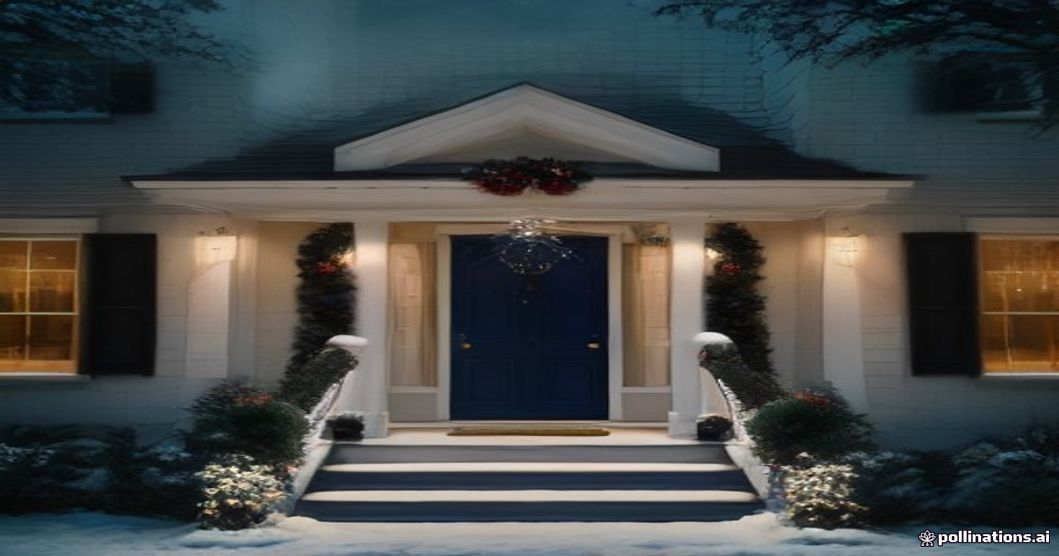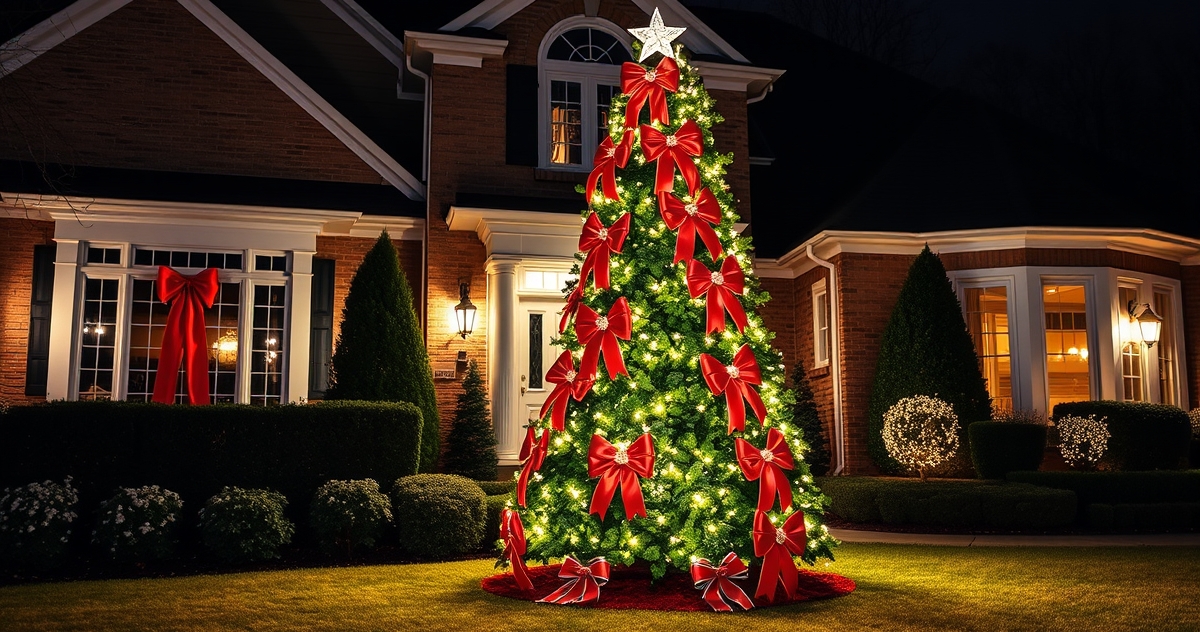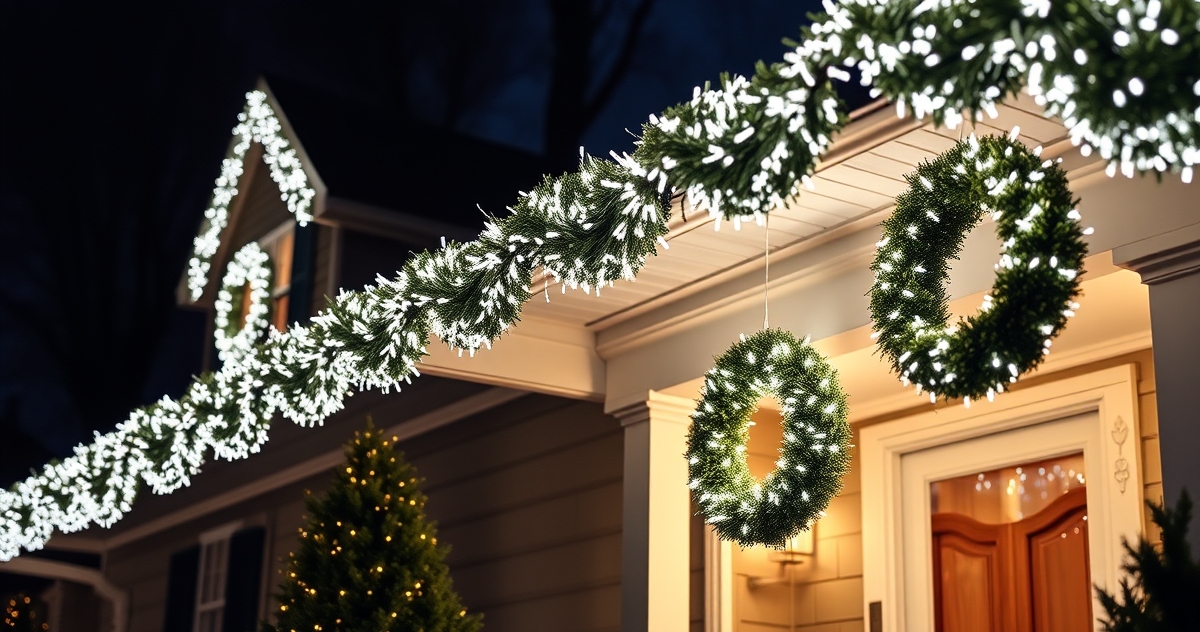
Picture a 1900s Newport Victorian glowing against the early-December dark — three full stories of warm white C9 bulbs tracing every gable, dormer, and turret, with garlands and red velvet bows framing the grand front entrance. It's the kind of display that stops traffic. But behind that picture-perfect result is something most homeowners never see: weeks of measurement, safety planning, and equipment scheduling that started back in June.
Multi-story and steep-roof homes are the most complex installations we handle in Rhode Island, and they are the projects that go wrong most often when booked late. The smartest homeowners aren't calling us in November. They're locking in their holiday lighting services while the weather is warm and the calendar is wide open.
Tall Homes and Steep Roofs Demand Real Safety Planning
There's a meaningful difference between hanging lights on a single-story ranch and lighting a three-story Federal-style home in Providence or a cliffside property in Newport. Once a roofline climbs past the second story, the margin for error shrinks dramatically. Wind exposure increases, pitch gets steeper, and the consequences of a misstep become serious.
Professional multi-story installation isn't about brute force — it's about the right equipment and a documented safety plan. That includes proper fall-arrest harnesses, articulating ladders rated for the height, scaffolding for unusually steep sections, and the kind of crew experience that can't be rushed into place during peak season.
It also comes down to the small hardware that holds everything together. We use extension safety clips to secure both the light strands and the extension runs feeding power up multiple stories, so nothing sags, pulls loose, or drops in a coastal gust. On a tall home, a single unsecured extension cord isn't just unsightly — it's a liability. June gives us the time to map every clip placement before a single bulb goes up in the fall.
June Site Assessments Map Your Rooflines Before the Rush
The second and third stories of your home are exactly the areas an installer needs to study in advance. You can't eyeball a 40-foot gable from the driveway and produce an accurate quote. A proper site assessment means walking the property, measuring each roofline run, identifying anchor points, locating power sources, and photographing the dormers and peaks that make your home unique.
In June, our crews have the daylight and the open schedule to do this thoroughly. We can take our time on a detailed site measurement and scheduling visit without the November pressure of fifteen other installs waiting. That early survey is where the real engineering happens — deciding how many C9 strands each story requires, where extension runs travel, and how to power a multi-story display safely.
For tall homes, this advance mapping matters even more because of Rhode Island's weather. Our coastal conditions — salt air, high humidity, and the nor'easters that roll in off Narragansett Bay — punish anything that isn't anchored correctly. A June assessment lets us plan for that wind load on the upper stories where it hits hardest.
The Color Decision Is Easier When You're Not Rushed
Multi-story homes give you a bigger canvas, which makes your color choice even more important. On a tall facade, the two most popular options behave differently than you might expect.
Warm White on Multi-Story Homes
Warm white C9 bulbs deliver that classic, elegant glow that flatters historic architecture. On a three-story colonial or Victorian, warm white softens the height and creates a candlelit, welcoming feel that pairs beautifully with garlands and gold satin bows at the entrance.
Cool White on Multi-Story Homes
Cool white reads crisp and modern, and from a distance it projects further — a real advantage on the upper stories of a large home or a commercial property. It creates a clean, winter-wonderland sharpness that defines every architectural line.
Choosing between them is far easier in June, when you can review options unhurried. Our guide on cool white versus warm white walks through how each color performs on different facades, and a summer design consultation lets you see samples before committing your whole multi-story display.
Booking Now Locks In Pricing and Your Best Crew
Here's the practical truth most homeowners learn too late: the experienced crew you want for a steep, three-story install is also the crew everyone else wants. There are only so many installers in Rhode Island qualified to work safely at height, and their fall calendars fill first.
When you book your residential installation in June, three things happen in your favor:
- You lock in favorable pricing. Off-season booking avoids the premium that comes with peak-season demand and last-minute scheduling.
- You guarantee an experienced height crew. Complex multi-story jobs get assigned to senior installers — and those assignments are made early.
- You secure your preferred install date. Want your lights glowing the weekend after Thanksgiving? That date is claimed first by homeowners who plan ahead.
Waiting until October or November on a multi-story home often means hearing the words no one wants: "We're fully booked for tall homes this season." June planning removes that risk entirely.
What a June Multi-Story Plan Actually Includes
When you start the conversation now, here's what our early-summer process covers for a tall or steep-roof property:
- A full on-site survey of every roofline, dormer, peak, and gable across all stories
- Precise measurements to calculate exact C9 strand counts and spacing
- An electrical assessment to confirm your power can support a multi-story run
- A safety plan mapping harness anchor points, ladder positions, and extension safety clip placement
- Color selection — warm white, cool white, or a custom palette — with samples
- Coordination of garlands, wreaths, and bows at entry points for a finished look
- A locked install date and transparent pricing held through the fall
By the time autumn arrives, every detail is decided. Installation day becomes smooth execution rather than on-the-fly problem solving forty feet off the ground.
Don't Forget the Ground-Level Details
A stunning multi-story roofline deserves a coordinated foundation. While the upper stories carry the C9 bulbs, the lower level brings the warmth within view: Mini Lights wrapping the front shrubs and trees, pre-lit garlands along porch railings, and a generous Wreath on the front door finished with a red velvet bow. Planning the full composition in June means the whole home reads as one intentional design, not a roofline disconnected from everything below it.
This is also when we coordinate any tree wrapping on the property, so your maples and evergreens complement rather than compete with the architecture above.
Frequently Asked Questions
Is a multi-story holiday light installation more expensive than a single-story home?
Yes, multi-story installations cost more because they require specialized equipment, additional safety measures, more materials, and experienced height-certified crews. However, booking in June rather than peak season locks in more favorable pricing and avoids last-minute premiums.
Why can't I just install lights on my own three-story home?
Working at height on a steep Rhode Island roofline carries serious fall risk, especially in coastal wind. Professional crews use fall-arrest harnesses, properly rated equipment, and extension safety clips to secure runs across multiple stories. The safety planning alone is reason enough to leave tall-home installs to trained installers.
How early do I really need to book a multi-story installation in Rhode Island?
June is ideal. Experienced height crews fill their fall calendars first, and complex installs get scheduled earliest. Booking in early summer guarantees an experienced team, your preferred install date, and the time for a thorough site assessment before the November rush.
Should I choose warm white or cool white C9 bulbs for a tall home?
Warm white softens height and flatters historic architecture with an elegant, candlelit glow, while cool white reads crisp and projects further from a distance. The best choice depends on your home's style and surroundings — a June design consultation lets you compare samples before committing.
What does a June site assessment for a multi-story home involve?
It includes measuring every roofline across all stories, calculating exact C9 strand counts, assessing your electrical capacity, and mapping a complete safety plan with anchor points and extension safety clip placement. The result is a locked install date with no surprises in the fall.
Your home's most dramatic display starts with a single phone call in June. If you own a multi-story or steep-roof home in Rhode Island, now is the time to plan a safe, stunning installation that's ready the moment the season arrives. Contact our team at (401) 271-1881 to schedule your early-summer site assessment and lock in your preferred install date before the calendar fills.