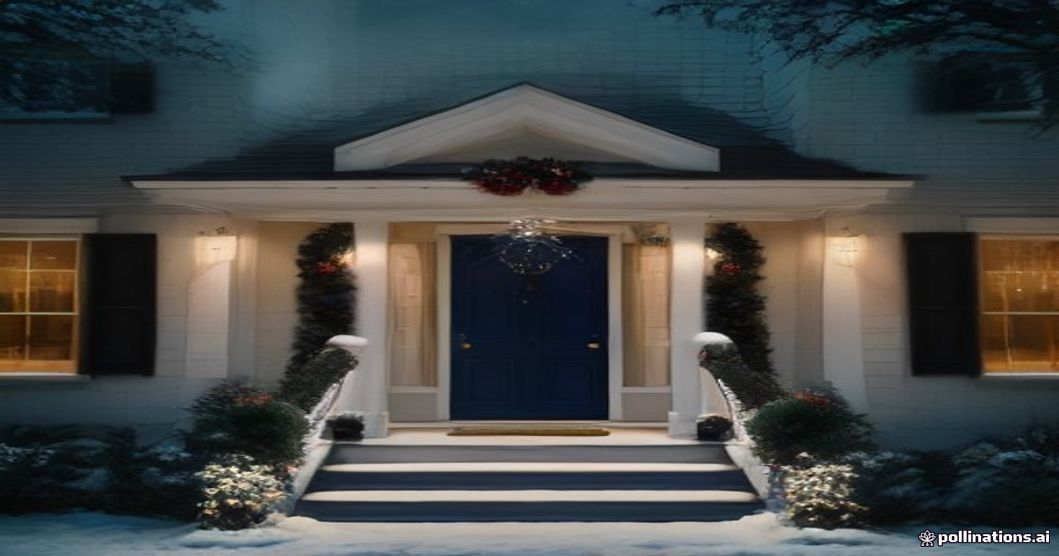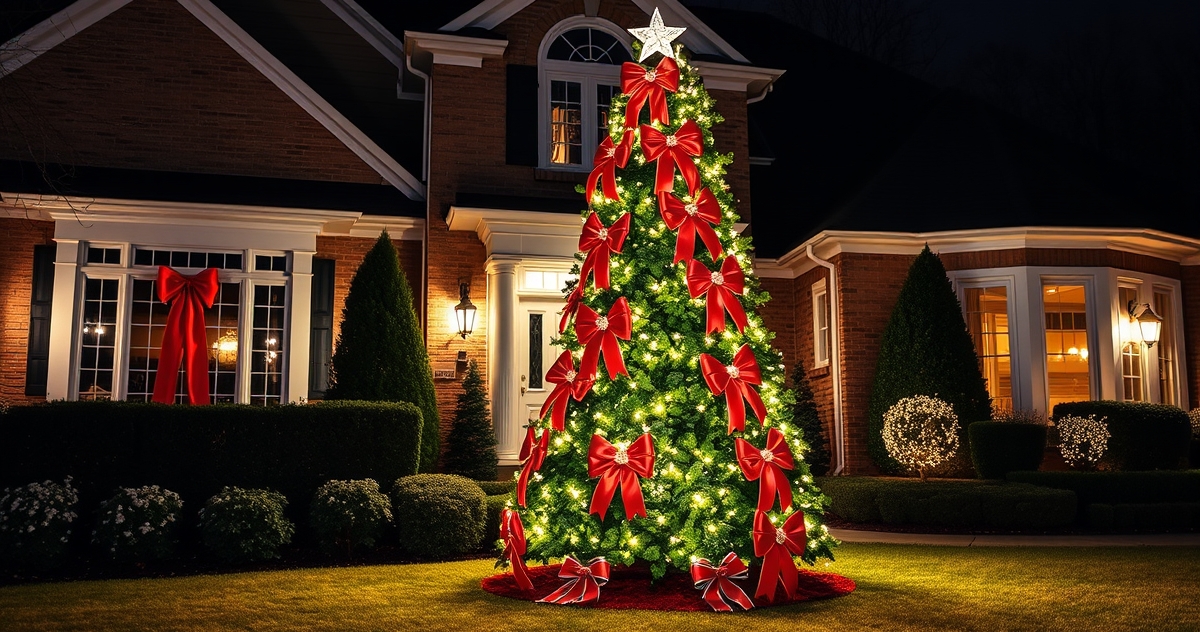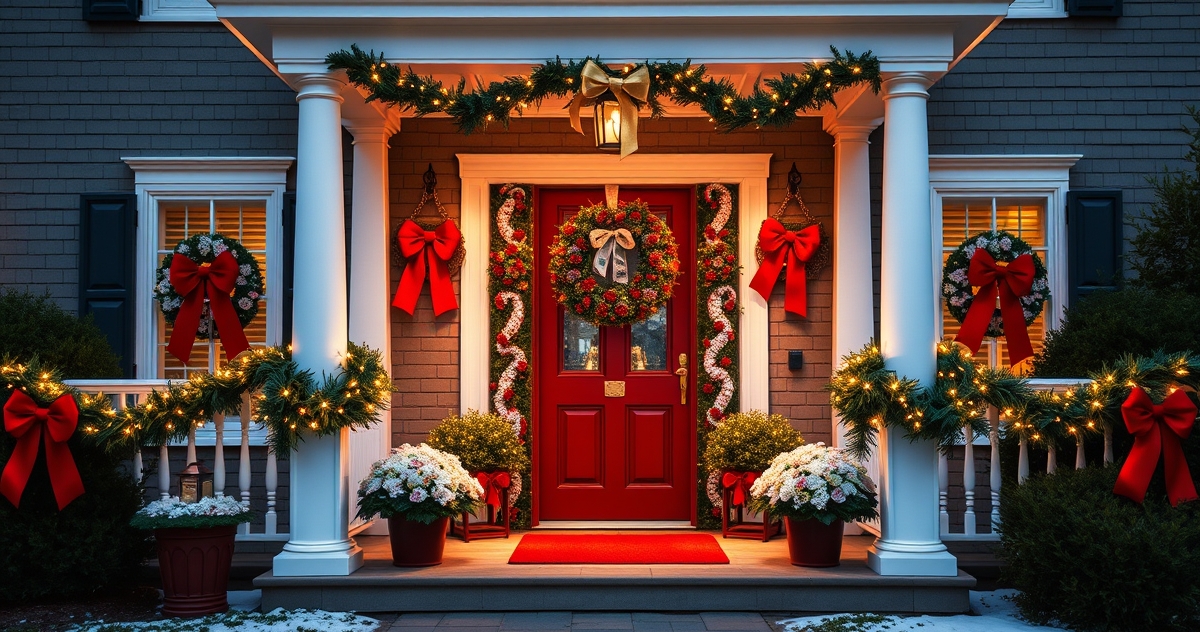
Picture two Rhode Island colonials side by side on a snowy December evening. The first glows with warm white C9 bulbs along the roofline — golden, inviting, the kind of light that makes you slow the car down. The second sparkles with cool white 5mm LED mini lights woven through the trees — crisp, icy, almost like the branches were dipped in frost. Both are stunning. Both are correct. The difference comes down to one decision most homeowners never think about until it's too late: color temperature.
And the best month to make that decision? June. While the snow is six months away, the daylight is long, the weather is mild, and you can actually study how each light tone reads against your home's exterior, trim, and landscape before the fall installation rush swallows everyone's calendar.
Cool White vs. Warm White: What Actually Separates Them
The terms describe the color temperature of the light, measured in Kelvin (K). Warm white sits around 2700K–3000K and leans gold and amber — the same cozy tone as a classic incandescent bulb. Cool white runs roughly 5000K–6500K and shifts toward a crisp, blue-tinged white that reads as bright and modern.
Neither is objectively better. They simply tell different stories:
- Warm white evokes tradition, nostalgia, and intimacy. It flatters brick, stone, and earth-toned siding, and it pairs beautifully with garlands, red velvet bows, and natural greenery.
- Cool white delivers a contemporary, architectural, winter-wonderland feel. It pops against dark or gray exteriors and looks especially dramatic when echoing the icy New England landscape after a snowfall.
If you're still learning the differences between LED options, our guide to holiday light bulb types breaks down C9s, mini lights, and everything in between.
Why Cool White Shines in Snowy New England Settings
Rhode Island winters give cool white a natural advantage. When fresh snow blankets the lawn and rooflines, cool white 5mm LED mini lights amplify that crystalline effect. The slightly blue cast mirrors the cold light of a winter sky, making trees, shrubs, and hedges look like they're frosted in light.
Cool white is the go-to for:
- Modern and contemporary homes with clean lines and dark exteriors
- Tree wrapping, where the crisp tone reads beautifully against bare branches
- Commercial properties wanting a sharp, current look
- Homeowners who want maximum brightness and visibility from the street
Because cool white feels so distinct, many of our coastal and newer-construction residential clients lean into it as their signature look.
Why Warm White Remains the Classic Choice
For all of cool white's drama, warm white still rules the Rhode Island roofline — and for good reason. There's a reason a string of warm white C9 bulbs against a colonial facade feels like home. The amber glow softens architecture, flatters traditional materials, and creates that magazine-cover holiday warmth.
Warm white is ideal for:
- Historic and colonial homes (Rhode Island has no shortage of them)
- Pairing with greenery, garlands, wreaths, and bows for a layered, classic display
- Creating a cozy, welcoming entryway
- Properties where elegance matters more than brightness
If you want inspiration from the masters of timeless display, take a look at our Newport mansion holiday lighting inspiration — those grand estates almost universally choose warm white for a reason.
The Strategic Move: Mixing Both Temperatures
Here's where the real artistry comes in — and where most DIY displays fall short. You don't have to pick just one. Some of the most striking Rhode Island properties we design use both color temperatures intentionally to create depth and dimension.
A proven approach:
- Warm white C9 bulbs on the roofline to frame the home with a cozy, golden outline that anchors the whole display.
- Cool white 5mm LED mini lights in the trees and shrubs to create that frosty, magical contrast against the warm architecture.
The eye reads the warm roofline as the "home" and the cool trees as the "winter," and the contrast adds layers most single-temperature displays lack. The key is intention — random mixing looks like a mistake, while a planned warm-roofline-cool-landscape scheme looks deliberate and high-end. This is exactly the kind of nuance we work through during a design consultation.
Why June Is the Perfect Month to Decide
You might wonder why we're talking about December lights in the middle of summer. The answer is simple: color temperature is impossible to judge from a product label. You have to see it against your actual home — and June gives you the time and conditions to do exactly that.
Test samples against your real exterior
Trim color, siding material, brick tone, and landscaping all change how warm and cool white read. A warm white that looks rich against red brick can look muddy against gray siding. The only way to know is to test samples on-site — and June's long evenings give you ideal low-light windows to compare.
Beat the fall installation rush
By October, every quality installer in Rhode Island is booked solid. Deciding your palette in June means you can lock in your quote and secure a prime installation date before the calendar fills. Planning early also pairs perfectly with site measurement scheduling, so everything is ready to go when fall arrives.
Coordinate with your whole landscape
Your holiday lighting shouldn't fight your existing outdoor lighting. June is the ideal time to think about how cool or warm white will play with your existing landscape lighting so everything reads as one cohesive design.
How to Choose the Right Temperature for Your Home
Use this quick framework as a starting point:
- Traditional or historic home? Lead with warm white.
- Modern or coastal contemporary? Cool white will likely shine.
- Dark or gray exterior? Cool white pops dramatically.
- Brick, stone, or earth-tone siding? Warm white flatters it.
- Want maximum dimension? Mix — warm roofline, cool landscape.
And whatever you choose, commit to consistency within each zone. Mismatched warm and cool whites on the same roofline — often from replacing burned-out bulbs with the wrong stock — is the fastest way to make a display look uneven. Buying your C9 bulbs and 5mm LED mini lights in one coordinated batch keeps your color temperature perfectly uniform.
Frequently Asked Questions
Is cool white or warm white brighter?
Cool white generally appears brighter to the human eye because of its higher color temperature and blue-tinged output. If maximum visibility and a crisp, attention-grabbing look are your priorities, cool white 5mm LED mini lights deliver it. Warm white reads as softer and cozier even at the same wattage.
Can I mix warm white and cool white lights on the same house?
Yes — when it's done intentionally. The proven approach is warm white C9 bulbs on the roofline paired with cool white in the trees and shrubs, creating depth and contrast. The mistake to avoid is mixing the two temperatures within the same zone, which looks like an error rather than a design choice.
Why should I decide my light color in June instead of waiting?
June gives you time to test physical light samples against your home's exterior, trim, and landscape under real lighting conditions before the fall rush. It also lets you secure a prime installation date — by October, most quality Rhode Island installers are fully booked.
Which color temperature is better for snowy Rhode Island winters?
Cool white naturally complements snow, amplifying that icy, winter-wonderland effect against fresh powder. Warm white still looks beautiful in snow but creates a cozier, more golden contrast. Many homeowners choose a mix to enjoy the best of both.
Do warm and cool white LEDs cost different amounts?
Pricing is essentially identical between the two color temperatures for both C9 bulbs and 5mm LED mini lights. Your cost is driven by the size of your display and product quantity, not the color you choose — so pick the tone that best fits your home, not your budget.
Make Your Color Decision Now — While You Have Time
The difference between a good holiday display and a breathtaking one often comes down to a single choice made months in advance: warm white, cool white, or a thoughtful blend of both. Deciding in June means you can test, plan, and book without pressure — and step into December with a display that fits your home perfectly.
Our team has been designing and installing custom holiday lighting across Rhode Island since 2022, and we'd love to help you nail your color palette before the rush. Contact us or call (401) 271-1881 to schedule a summer design consultation and see exactly how warm and cool white will look against your home.