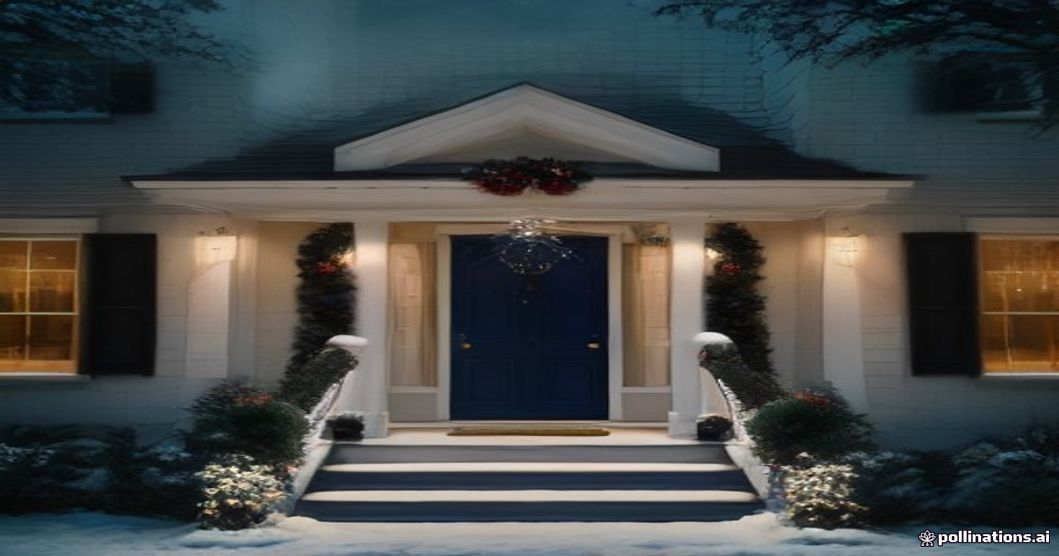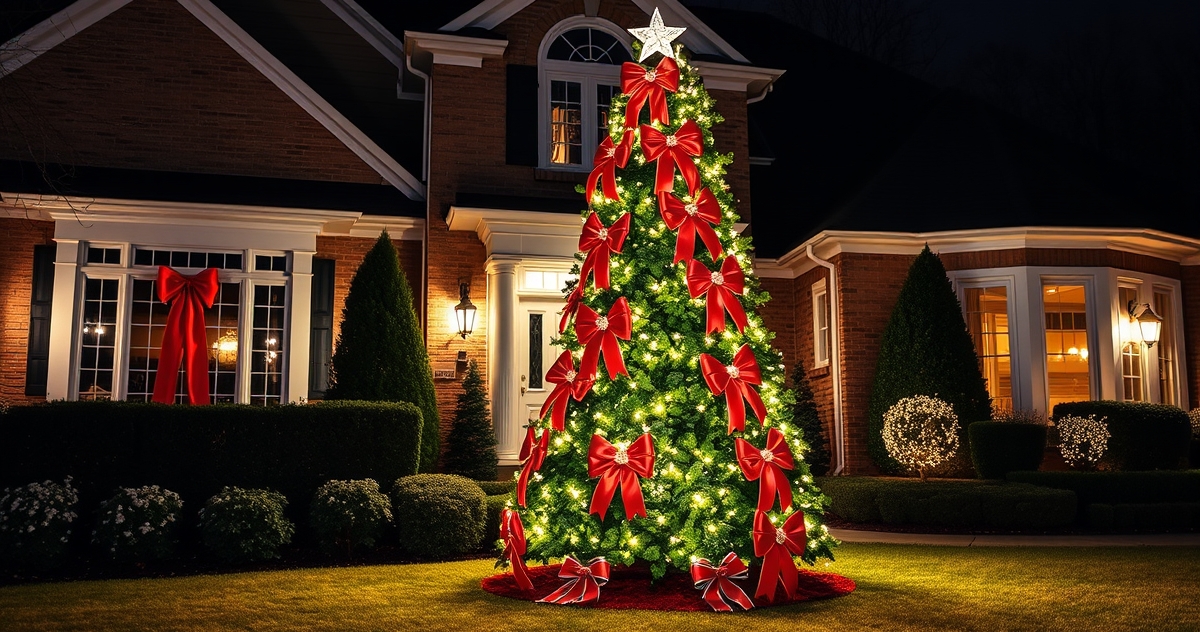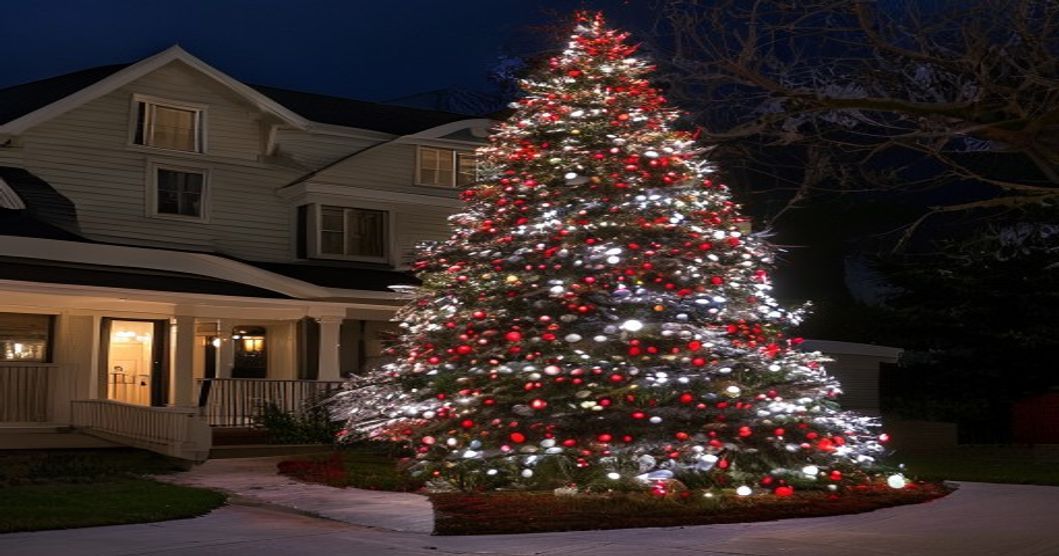
Picture a crisp December evening in Barrington — warm white C9 bulbs tracing every line of your roofline, the glow reflecting off a light coat of frost. Now picture the alternative: an installation crew arriving the week after Thanksgiving only to discover a sagging gutter, rotted fascia behind the soffit, and clips that won't hold because the surface is crumbling. One of those scenes happens because the homeowner planned ahead in June. The other becomes a stressful, expensive scramble.
Summer roofline prep for holiday lights in Rhode Island isn't glamorous, but it's the single best thing you can do between now and the holidays to guarantee a clean, fast, and beautiful installation. June's dry, mild weather opens a window that simply doesn't exist in late fall — and smart homeowners use it.
Why June Is the Perfect Month for Roofline Prep in Rhode Island
Rhode Island weather in late November and December is unpredictable at best. Nor'easters, coastal wind off Narragansett Bay, freezing rain, and short daylight hours all conspire against safe, careful work at the roofline. June flips every one of those factors in your favor.
- Dry, stable footing: Roofs and ladders are dry and safe to work on, not slick with frost or wet leaves.
- Long daylight hours: Crews and homeowners have plenty of light to inspect every section of fascia and gutter carefully.
- Mild temperatures: No frozen fingers, no brittle materials. Sealants and repairs cure properly in warm air.
- Time to fix problems: If something needs repair, you have months — not days — to address it before installation season.
Doing this work now is the foundation of a smooth season. It pairs perfectly with a June holiday lighting site survey, where we map out exactly how your home will look before a single bulb goes up.
Start With the Gutters: Clean, Clear, and Ready
Your gutters do more than manage rainwater — for many homes, the gutter line is exactly where all-weather light clips attach to support a run of C9 bulbs. A gutter packed with last autumn's leaves, pine needles, and grit is a poor mounting surface and a hidden hazard.
In June, before the heavy summer storms roll in off the coast, clear every section thoroughly:
- Remove debris, then flush with water to confirm the downspouts drain freely.
- Check for standing water, which signals improper pitch or a clog deeper in the system.
- Look for sagging sections where fasteners have pulled loose — these won't hold the weight of a light line.
- Inspect the gutter lip where all-weather clips will eventually grip; bent or corroded edges should be repaired now.
Clean gutters mean all-weather light clips seat firmly and evenly. That translates directly into a straight, professional C9 line in December instead of drooping bulbs and visible gaps.
Inspect and Repair Fascia, Soffits, and Mounting Points
The fascia board — the trim running along the edge of your roof — is the backbone of most roofline lighting. If it's soft, splitting, or showing signs of water damage, no clip will hold reliably. June is the time to find these problems while there's still room to fix them.
What to Look For
- Soft or spongy fascia: Press along the board. Any give suggests rot from trapped moisture — common on older Rhode Island colonials and coastal homes.
- Peeling paint or staining: Often the first visible sign of water intrusion behind the soffit.
- Loose or missing soffit panels: These affect both ventilation and your mounting options.
- Cracked or splitting wood: A clip driven into compromised wood will pull free under the weight of bulbs and a winter storm's wind.
Catching a damaged fascia board in June means you can repaint, replace, or reinforce it on your own schedule. Discover that same problem the first week of December and you're now competing with every contractor in the state for an emergency repair — assuming weather even permits the work. A quick read of our June roofline lighting assessment guide walks through exactly how we evaluate mounting surfaces.
Pre-Measuring Rooflines and Mapping Mounting Points
One of the biggest advantages of summer prep is the chance to measure twice and install once. When our team pre-measures your rooflines in June, we know precisely how many feet of C9 bulbs you'll need, where each all-weather clip will go, and how the runs will connect to power.
This pre-planning delivers real benefits:
- Accurate product ordering: No mid-installation shortages or last-minute substitutions. The exact warm white or cool white C9 bulbs you chose are ready and waiting.
- Faster installation day: With measurements and clip placement already mapped, the crew simply executes the plan rather than figuring it out on a cold November rooftop.
- Cleaner results: Pre-marked spacing produces perfectly even bulb intervals — the hallmark of a professional job.
This is also the ideal time to settle on your look. Warm white C9 bulbs give a classic, upscale glow that suits Rhode Island's historic homes beautifully, while cool white delivers a crisp, modern, almost icy brilliance. If you're undecided, our June color design consultation helps you visualize both before you commit.
Choosing the Right C9 Bulbs and All-Weather Clips
Not all hardware is built for a Rhode Island winter. Coastal salt air, freeze-thaw cycles, and gusting wind demand components that can take a beating and keep glowing.
C9 Bulbs
C9 LED bulbs are the gold standard for roofline lighting — large, bold, and brilliantly visible from the street. LED versions run cool, sip electricity, and last for many seasons. Whether you choose warm white for traditional elegance or cool white for contemporary sparkle, C9s define the iconic American roofline.
All-Weather Light Clips
The unsung hero of any lasting installation, all-weather light clips are engineered to grip your gutter lip, shingle edge, or fascia without nails or adhesive that damage your home. They flex in the cold without snapping and hold firm through coastal wind. Mapping clip placement during summer prep means we know exactly which clip style each section of your roof requires.
Want to see how it all comes together? Our project gallery shows finished Rhode Island rooflines, and our residential lighting services page details how we handle every step from prep to takedown.
How Summer Prep Saves You Money and Stress
Every problem caught in June is a problem solved on your terms. Emergency fascia repair in December costs more, takes longer, and may delay your entire installation past the point where your home looks its best for the holidays. Prepping now also lets you lock in better scheduling — explore the off-season scheduling advantages and consider pairing your prep with early booking to secure your preferred installation week.
If you'd like a professional to handle the inspection, measuring, and prep for you, our team has been readying Rhode Island homes since 2022. Reach out through our contact page or call (401) 271-1881 to schedule your summer roofline assessment.
Frequently Asked Questions
Why should I prep my roofline in June instead of waiting until fall?
June offers dry, mild weather and long daylight hours that make gutter cleaning, fascia inspection, and roofline measuring safe and thorough. Waiting until November means competing with bad weather and busy schedules — and any needed repairs can delay your holiday installation entirely.
Will all-weather light clips damage my gutters or roof?
No. Quality all-weather clips are designed to grip your gutter lip, shingle edge, or fascia without nails, screws, or adhesives. They hold C9 bulbs securely through coastal wind and freeze-thaw cycles while leaving no marks once removed.
How do I know if my fascia is too damaged to hold lights?
Press along the fascia board — any softness or sponginess suggests rot. Peeling paint, water stains, and splitting wood are also warning signs. If you find these issues, address them in summer so the surface is sound before installation season. We're happy to inspect it for you.
Should I choose warm white or cool white C9 bulbs?
Warm white C9 bulbs create a classic, elegant glow that complements Rhode Island's historic and colonial homes. Cool white delivers a crisp, modern, winter-wonderland brightness. Many homeowners use a color consultation to compare both before deciding.
Can I book installation now even though it's only June?
Absolutely — and you should. Booking early secures your preferred installation dates and lets us complete prep and pre-measuring on a relaxed schedule. The earliest bookings always get the best time slots before the season fills up.