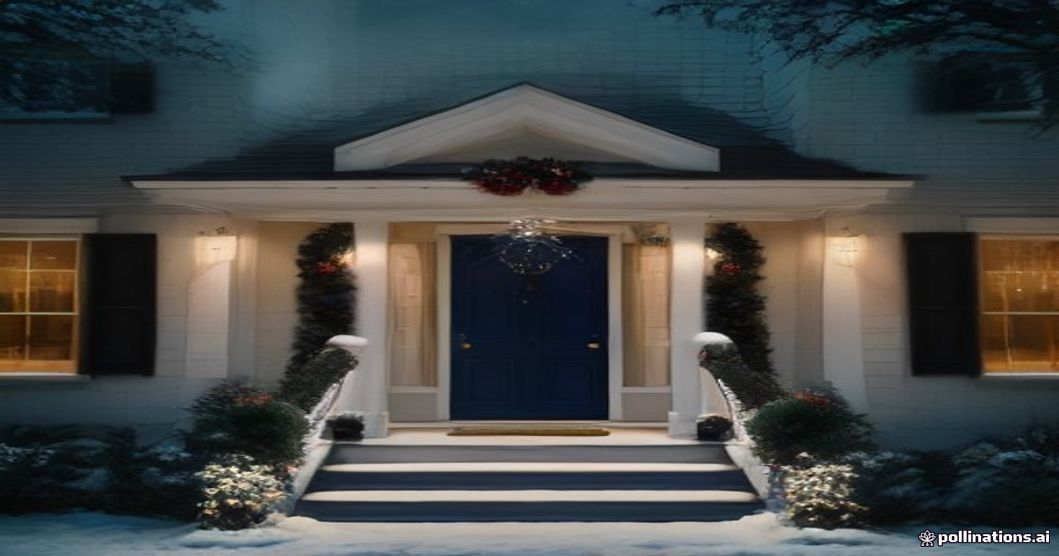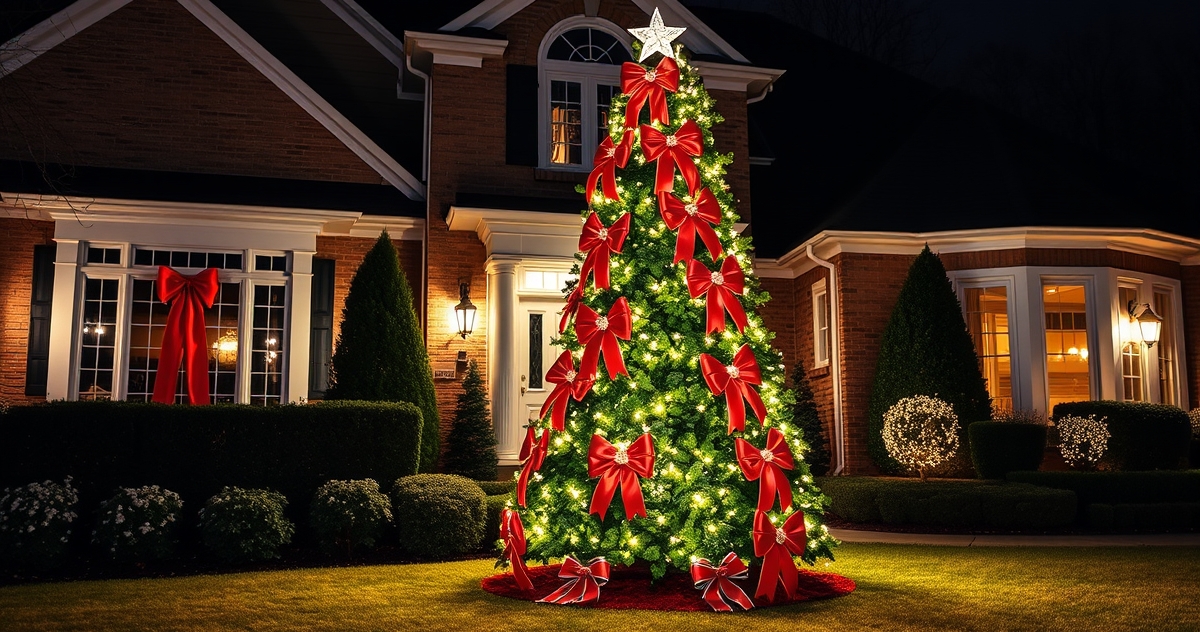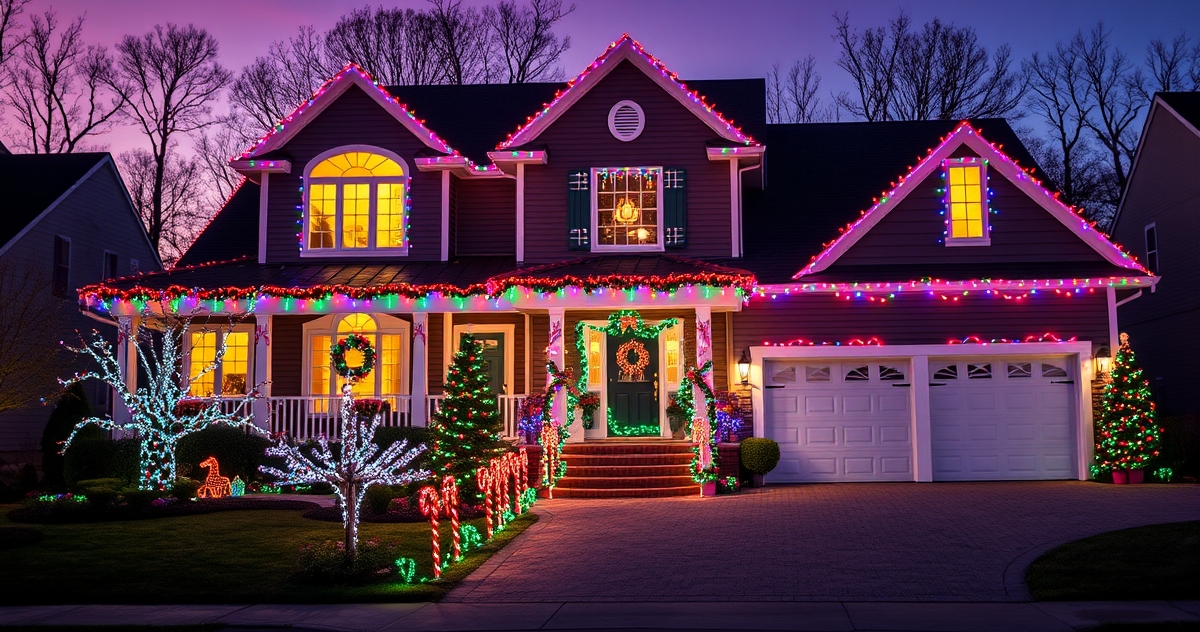
Picture a crisp December evening in your Rhode Island neighborhood — warm white C9 bulbs tracing the roofline, the front entry framed in lush garlands and red velvet bows, every shrub wrapped in cool white mini lights. Now picture the day before installation, when an installer climbs your ladder and discovers three loose shingles and a section of fascia that won't hold a clip. Suddenly your holiday timeline is in jeopardy.
That scenario plays out every November across the state, and it's almost always avoidable. The fix is simple: schedule your holiday light roof inspection in Rhode Island in June, when the weather cooperates, the calendar is open, and you have months of runway to handle any surprises before a single C9 strand goes up.
Why June Weather Beats the Fall Rush for Roof Inspections
Rhode Island Junes are a gift to anyone who needs to be on a roof. Mornings are dry, temperatures hover in the comfortable 60s and 70s, and the violent weather the region is known for has not yet arrived. That matters more than most homeowners realize.
By contrast, fall in New England is a moving target. October and November bring nor'easters, gusty coastal winds off Narragansett Bay, early frost, and shorter daylight hours. An inspector working in those conditions is racing the weather — and a rushed inspection is a less accurate one. Wet, frosty shingles are slippery and dangerous, and a roofer simply can't examine a surface the same way when the deck is icing over.
June lets an inspector walk the entire roofline methodically. Every shingle, every flashing seam, every fascia board gets a careful look in good light on a stable, dry surface. That's the difference between a thorough assessment and a hurried glance before the first snow.
What a Proper Holiday Light Roof Inspection Actually Checks
A roof inspection geared toward holiday lighting isn't the same as a general roofing survey. We're looking specifically at the surfaces that will carry the weight and tension of clips and C9 strands for two months straight. Here's what gets evaluated:
- Shingle integrity along the eaves and ridges — the exact lines where C9 bulbs are mounted. Loose, curled, or cracked shingles can lift when an all-weather clip is seated underneath them.
- Fascia condition — soft, rotting, or warped fascia won't hold a clip securely. A bulb strand that pulls loose in a December windstorm is both a hazard and an eyesore.
- Gutter attachment and cleanliness — many clip styles anchor to the gutter lip. A clogged or sagging gutter compromises both drainage and mounting.
- Flashing and roof penetrations — areas where water intrusion could already be weakening the deck.
- Power access points — proximity of GFCI outlets and the cleanest path for cords, which ties directly into a full electrical power assessment.
When that inspection happens in June, every issue we find becomes a project you have time to solve rather than an emergency that derails your installation date.
The Repair Window: Months Instead of Days
This is the single biggest reason to inspect in summer. Say the inspection turns up a 10-foot run of weak fascia and a small patch of lifting shingles near the chimney. In June, that's a relaxed conversation with your roofer, a scheduled repair at a reasonable price, and a fully cured, solid mounting surface long before installation season.
Discover those same issues in mid-November, and your options shrink to almost nothing. Roofers are booked solid, repairs cost more under deadline pressure, and you may have to choose between mounting lights on a compromised surface or skipping sections of your display entirely. Mounting clips and C9 strands on damaged shingles can also worsen the problem — water finds its way under a lifted shingle, and now you've turned a cosmetic concern into a leak.
A June inspection protects your roof and your decor budget at the same time. For a deeper look at the gutter and roofline prep side of this, see our guide on getting your gutters and roofline ready for holiday lights.
How All-Weather Clips and C9 Bulbs Depend on a Solid Surface
Professional roofline lighting lives and dies by its mounting hardware. We use all-weather clips designed to grip shingles and gutter edges without nails or adhesive that can damage the roof. These clips are engineered to survive a full Rhode Island winter — freezing rain, wind, snow load, the works — but they can only do their job if the surface underneath them is sound.
The same goes for C9 bulbs, the classic large-format roofline light. Whether you choose timeless warm white for an elegant look or crisp cool white for a clean, modern glow, those strands need a continuous, stable line of attachment. A single weak fascia section can leave a gap in your roofline where the lights sag or droop, breaking up that perfect ribbon of light.
A June inspection confirms that the clips will seat properly across the entire run before we ever quote the job. If you're still deciding on bulb style and color, our bulb types guide walks through the options.
Pairing Your Inspection With a Summer Site Survey
The smartest homeowners combine the roof inspection with a full holiday lighting site survey — and June is the ideal month to do both in one visit. While we're assessing the roof, we're also measuring linear footage, mapping the cleanest cord routes, evaluating power, and designing where every C9 strand, garland, and wreath will go.
Bundling the two saves you a trip, gives you one comprehensive plan, and — critically — locks in early-booking pricing before the fall rush drives demand and rates up. We cover the full process in our summer site survey breakdown, and you can see how a summer survey ties into early-booking advantages as well.
For residential clients especially, this combined approach means your installation date is reserved, your surface is verified clean and solid, and your design is finalized — all before most of your neighbors have even thought about the holidays. Explore what's included in our residential lighting services to see the full picture.
The Off-Season Advantage for Rhode Island Homeowners
Booking anything holiday-related in June feels early, and that's exactly the point. The off-season is when you get an installer's undivided attention, the most flexible scheduling, and the best pricing. There's no November scramble, no waiting list, no compromise.
A June roof inspection is also the foundation for everything else — your budget planning, your color and design consultation, and your final install date. Get the roof sorted first, and every other decision falls into place smoothly.
Frequently Asked Questions
Why not just inspect the roof in the fall when I'm ready to install?
Fall in Rhode Island means storms, wind, frost, and shorter days that make roof access dangerous and inspections less thorough. A fall inspection also leaves no time to repair anything you find — roofers are booked and the clock is running before the first snow. June gives you a safe, accurate inspection with months of repair runway.
What kinds of problems would a roof inspection catch before installation?
The most common issues are loose or curled shingles along the eaves, soft or rotting fascia that won't hold clips, sagging or clogged gutters, and worn flashing. Any of these can prevent all-weather clips and C9 strands from mounting securely — or worse, lead to water intrusion if lights are installed over a damaged surface.
Will mounting clips and C9 bulbs damage my roof?
Not when the surface is sound and we use proper all-weather clips that grip shingles and gutter edges without nails or adhesive. The risk only appears when clips are forced onto already-weakened shingles or fascia, which is exactly why a June inspection matters — it confirms the surface can carry the lights safely all winter.
Can the roof inspection and lighting design happen in the same visit?
Yes, and we recommend it. Pairing your roof inspection with a full site survey in June lets us verify the mounting surface, measure footage, plan cord routes, and design your warm white or cool white display in one efficient visit — while locking in early-booking pricing.
How early should I schedule for the upcoming holiday season?
June is ideal. It guarantees time for any repairs, secures the best off-season pricing, and reserves your installation date before the fall demand spike. The earlier you book, the more flexibility you have on both timing and design.
A solid roof is the foundation of a flawless holiday display — and June is the moment to confirm yours is ready. Our team handles the full process, from roof and roofline inspection to design and professional installation of every C9 strand, garland, and wreath. Reach out today or call (401) 271-1881 to schedule your summer inspection and lock in early-season pricing. You can also browse our full range of holiday lighting services to plan your most effortless season yet.