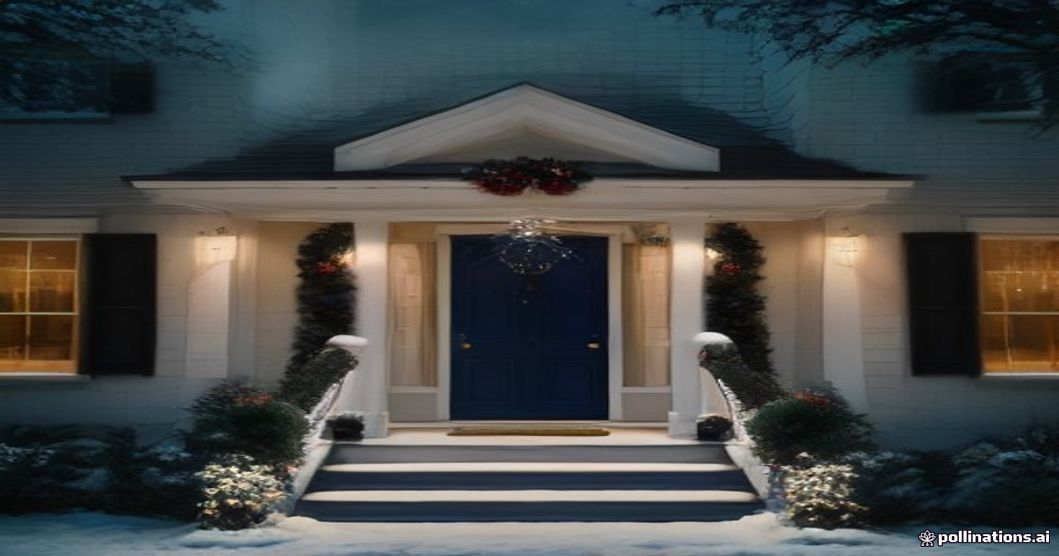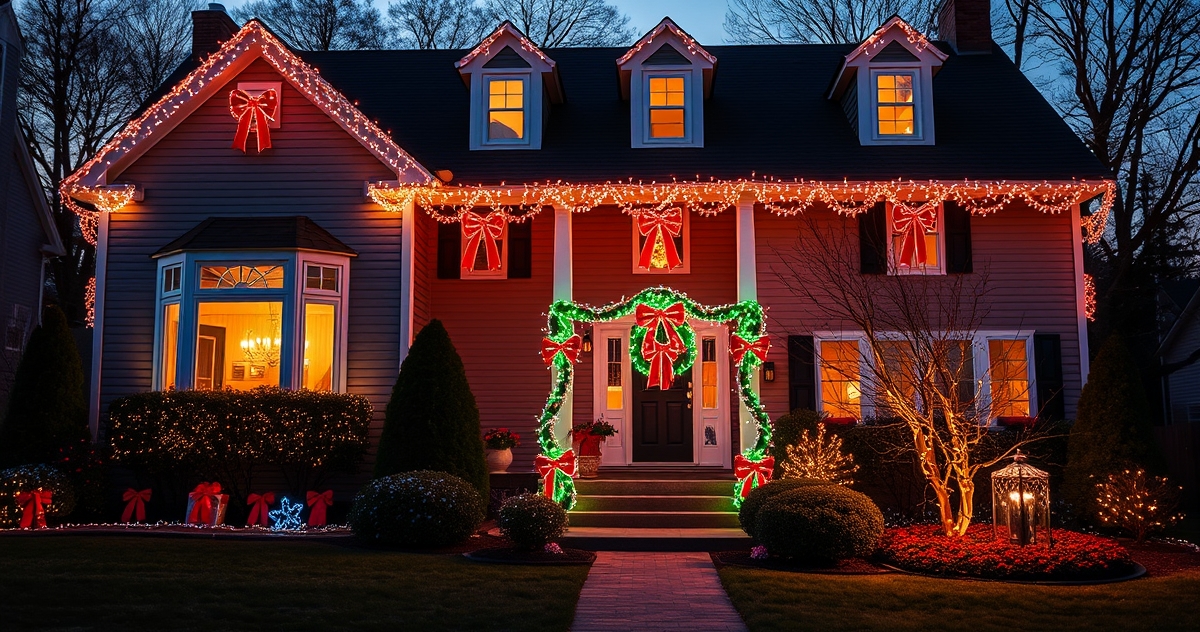
Picture the last week of November. Your roofline is dressed in warm white C9 bulbs, every boxwood is wrapped in cool white LED mini lights, and you flip the switch on your first cold evening of the season. Then — darkness. A tripped breaker. A dead outlet. A timer that won't fire. The display you planned all year just went black, and now you're climbing a frosty ladder with a flashlight instead of enjoying the glow.
This scenario plays out across Rhode Island every December, and almost all of it is preventable. The fix isn't a better bulb or a fancier controller — it's a proper holiday lighting electrical power assessment done months in advance, while the weather is mild and electricians still have open schedules. That window is June.
What a Holiday Lighting Power Assessment Actually Covers
A power assessment is far more than counting outlets. It's a full evaluation of whether your home can safely run the display you want without strain or hazard. When our crews walk a property in June, we're documenting several things:
- Outdoor outlet locations and condition — where they are, how many you have, and whether they're weather-sealed and functional.
- Circuit capacity — which breakers feed your exterior outlets and how much load they can handle before tripping.
- GFCI protection — every outdoor outlet running holiday lights should be GFCI-protected for safety, and we verify they actually trip and reset as designed.
- Existing wiring runs — how power will travel from your panel to the eaves, shrubs, and walkways across the property.
- Timer and control needs — whether outdoor-rated timers can simplify your nightly routine and reduce manual switching.
Pairing this with a full holiday lighting site survey means we map both the design and the power supply at the same time — so there are no surprises when installation day arrives.
Why June Weather Makes the Difference
Rhode Island Junes are a gift for outdoor electrical work. Daytime temperatures sit in a comfortable range, the ground is dry, and there's no ice on the ladder. Electricians can open panels, test GFCIs, and trace circuits without fighting wind off Narragansett Bay or shoveling snow away from an exterior outlet.
Compare that to November, when an assessment competes with falling temperatures, early sunsets, and the start of nor'easter season. A problem discovered in June gives you five full months to address it. The same problem discovered in November gives you days — if you're lucky enough to find an available electrician at all during their busiest stretch.
This is the same logic behind off-season scheduling advantages: doing the unglamorous prep work when nobody else is thinking about Christmas pays off enormously when December finally arrives.
Rhode Island's Older Homes and the LED Load Problem
Rhode Island has some of the most beautiful — and oldest — housing stock in the country. From Federal-era colonials in Providence to weathered shingle-style homes along the coast, many of these properties were wired long before anyone imagined a full LED holiday display.
Here's the irony: modern LED lighting draws a fraction of the power that old incandescent strings did. A run of warm white LED C9 bulbs sips electricity compared to the energy-hungry bulbs of decades past. That's great news for your electric bill — but it can lull homeowners into a false sense of security. When you start combining multiple long runs of LED mini lights, illuminated garlands, wreaths, and roofline C9 strings, the total load adds up. Push it all onto one tired old circuit, and you'll trip a breaker every cold night when the heat pump and the lights run together.
An early assessment maps out which circuits feed which zones, so a heavy display gets distributed across multiple breakers instead of overwhelming one. This is exactly the kind of planning that separates a professional residential installation from a string-it-and-hope approach.
The Right Hardware Prevents the Right Problems
Once we know your power picture, we can specify hardware that actually fits your home rather than guessing in the cold. A few components carry most of the weight:
Outdoor Extension Cords
Bargain-bin indoor cords are a fire risk and a frustration outdoors. Properly rated outdoor extension cords handle moisture, cold, and the amperage of a real display. A June assessment tells us how many you need and what gauge, so power reaches the far corner of the yard without voltage drop dimming your cool white mini lights.
Outdoor-Rated Timers
No one wants to stand on the porch every night flipping switches. Outdoor-rated timers turn your display on at dusk and off at a set hour automatically — saving energy and extending the life of your LEDs. We confirm during the assessment whether your outlets can host timers and whether smart controls make sense for your layout.
Additional Exterior Outlets
If the assessment reveals you simply don't have enough power points where you need them, June gives you the runway to schedule an electrician for new GFCI-protected exterior outlets — long before the fall rush makes appointments scarce and pricey.
You can review how all these pieces come together on real homes in our project gallery.
How an Early Assessment Saves You Money
Discovering an electrical limitation in June is a planning item. Discovering it in November is an emergency — and emergencies cost more. Electricians charge premium rates during their busiest months, and rush jobs leave no room to compare quotes or schedule conveniently.
An early assessment also feeds directly into smart budget planning. Once you know exactly what upgrades a home needs, you can spread costs over the summer instead of absorbing them all at once in the fall. It also lets us lock in design details so your installation quote reflects reality — no mid-project surprises when we discover an outlet that won't hold your load.
What Happens After the Assessment
Once we've documented your power situation, we hand you a clear picture: which circuits power which zones, where you may need additional outlets, what timers and cords your design requires, and any electrical work to schedule before fall. From there we coordinate the rest of your project — color design, roofline layout, shrub wrapping, and the install date itself.
Whether you're planning an understated warm white display for a coastal cottage or a bold full-property design for a Providence colonial, the power assessment is the quiet foundation that makes everything else work flawlessly. Explore our full range of holiday lighting services to see how the pieces fit together.
Frequently Asked Questions
How long does a holiday lighting power assessment take?
For most Rhode Island homes, a thorough assessment takes about 30 to 60 minutes. We document outlet locations, test GFCI protection, identify the circuits feeding your exterior, and discuss your display goals. Larger or older homes with complex wiring may take a bit longer.
Do LED lights really need an electrical assessment if they use so little power?
Yes. While individual LED C9 bulbs and mini lights draw very little, a full display combines many long runs that add up quickly — especially on older Rhode Island circuits already feeding other appliances. The assessment ensures the total load is distributed safely so you don't trip breakers on cold nights.
What if my assessment reveals I need electrical upgrades?
That's exactly why June is ideal. You'll have months to schedule a licensed electrician for new GFCI outlets or circuits before the fall rush, when appointments are scarce and rates climb. Catching it early turns an emergency into a simple planning item.
Can you install timers and provide the cords, or do I supply my own?
Our professional installs include properly rated outdoor extension cords and outdoor-rated timers matched to your display. Using contractor-grade hardware avoids the moisture, voltage-drop, and safety issues that come with bargain indoor cords.
Is the power assessment included with installation, or is it separate?
For clients booking a full installation, the assessment is part of our planning process. We're happy to evaluate your home's readiness early so everything is set well before installation season. Contact us to schedule yours.
Don't wait for a tripped breaker to teach you about your home's limits. Book your June power assessment now, and let our team handle the wiring, timers, and design so your Rhode Island home glows trouble-free all season long. Call us at (401) 271-1881 or reach out today to get on the early-season schedule.