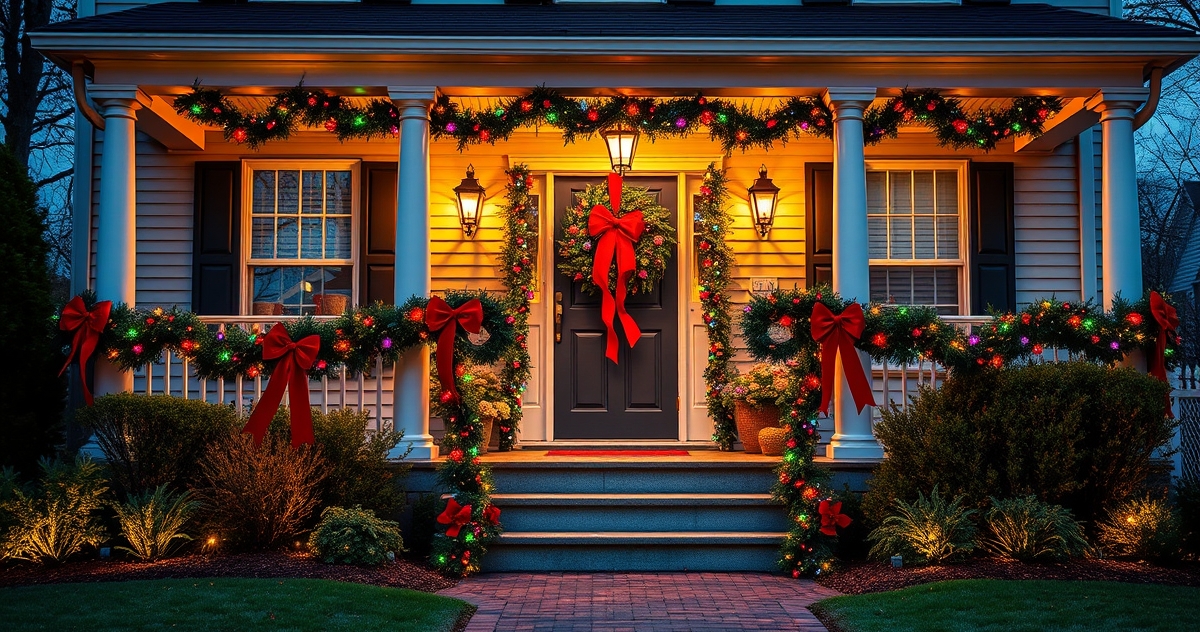
The system mounted along your roofline doesn't disappear when the wreaths come down — it stays right there, weathering nor'easters, salt-laden coastal air, and the long Rhode Island winter. By June, your permanent holiday lighting has already survived its toughest stretch, which makes early summer the smartest moment to inspect, test, and refresh it. A few focused hours now means your system glows warm white in December and bursts into multicolor RGBW for the Fourth of July without a single hiccup.
Permanent LED track systems are built to last a decade or more, but "maintenance-free" was never the same as "maintenance-never." Rhode Island's climate — high summer humidity, coastal salt spray, freeze-thaw cycles — quietly works against connectors, mounting channels, and lens clarity. Here's exactly what to check before July humidity peaks.
Why June Is the Ideal Maintenance Window in Rhode Island
Timing matters more than most homeowners realize. By early June, the threat of late-spring storms has largely passed, but the heaviest summer humidity hasn't yet set in. That gives you a dry, comfortable window to access your roofline and address any issues before moisture becomes the enemy.
Catching problems now also means there's plenty of runway. If a track section needs realigning or a power supply needs replacing, you've got months before holiday programming begins — no frantic November service calls. It's the same logic behind our summer planning advantages for Christmas lights: the off-season is when the best work gets done calmly and correctly.
Plus, your permanent system isn't just for December anymore. RGBW color-changing lights handle red-white-and-blue patriotic displays, autumn ambers, and team-spirit color runs all year. A June check-up ensures every seasonal moment looks its best.
Step 1: Inspect Mounting Tracks and Channels for Winter Damage
The aluminum track that hides your permanent LED system takes a beating from Rhode Island winters. Ice expansion, wind-driven debris, and the natural shifting of a home through freeze-thaw cycles can loosen fasteners or warp a channel section.
Walk the full perimeter of your roofline and look for:
- Loose or backed-out screws — vibration and thermal movement work fasteners loose over a season.
- Gaps or separation where two track sections meet, which let moisture creep into the channel.
- Sagging runs along gutters or fascia that may have pulled away during heavy snow load.
- Bent or crushed channel from falling ice or branches.
If your gutters took winter damage, the track mounted to them likely did too. Pair this inspection with the steps in our gutter and roofline prep guide so you're addressing the whole structure, not just the lights. Homes near Narragansett Bay and the coastline should pay special attention — salt accelerates corrosion on every metal fastener.
Step 2: Test App-Controlled Zones and Update Firmware
The brain of a modern permanent system is its app. Before the Fourth of July sneaks up, open your control app and run every zone through its paces. This is the single most-skipped maintenance step — and the one most likely to cause a holiday-eve panic.
Run a Full Zone Test
Cycle through each programmed zone individually. Watch for sections that flicker, fail to change color, or lag behind the rest of the run. A dead zone usually points to a single failed connector or a controller channel that needs attention — far easier to diagnose in June daylight than December darkness.
Update Firmware and Saved Scenes
Manufacturers push firmware updates that improve color accuracy, fix scheduling bugs, and add new effects. Install any pending updates now, then rebuild your favorite scenes: crisp warm white for elegant everyday curb appeal, and bold multicolor RGBW sequences for the Fourth of July and beyond.
Test your scheduling, too. A firmware update can occasionally reset automation timers. Confirm your sunrise/sunset triggers fire correctly so your patriotic Fourth of July lighting kicks on automatically without you lifting a finger.
Step 3: Clean Lenses and Connectors to Maximize Brightness
Rhode Island's coastal environment leaves a fine film on everything — salt, pollen, road grime, and the chalky residue humidity leaves behind. On your lighting system, that film scatters and dims your output. A roofline that looked dazzling last December may be running at noticeably reduced brightness simply because the lenses are dirty.
To restore full brightness:
- Wipe each diode lens with a soft microfiber cloth dampened with distilled water. Skip harsh chemicals that can cloud the optics.
- Inspect connectors and weather seals for green or white corrosion — the telltale sign salt has gotten in.
- Apply dielectric grease to any connector you open, sealing out moisture before humidity season arrives.
- Confirm gaskets and end caps are seated tight so the channel stays watertight.
Corrosion is the number-one killer of coastal lighting systems. Ten minutes of preventive cleaning in June can add years to your investment. This same attention to detail is why we cover proper humidity and storage practices for traditional light sets that come down each season.
Step 4: Verify Power Supplies and Electrical Connections
Permanent systems run on low-voltage transformers and power injectors that live in junction boxes, attics, or exterior enclosures. These components don't fail often, but when they do, an entire run goes dark.
Open each enclosure and check for moisture intrusion, scorching, or loose terminal connections. Confirm your power supply is delivering steady voltage — a system drawing more current than the supply can handle will dim toward the end of long runs, especially with RGBW color-changing lights that pull more power than single-color diodes.
If anything looks questionable, don't guess. A quick electrical power assessment from a qualified technician confirms your system is safe and properly loaded. Coordinating this with any other landscape upgrades — like the work outlined in our landscape lighting coordination guide — keeps your whole exterior on one cohesive plan.
Step 5: Document, Plan, and Schedule Professional Service
As you work through this checklist, keep notes. Photograph any damage, jot down which zones lagged, and flag connectors that showed corrosion. This record becomes invaluable when you call for professional service or plan upgrades.
June is also the ideal time to expand. Many residential clients add a new zone — wrapping a tree, lighting a pergola, or extending track over a garage — while the crews have open schedules. Booking now locks in summer pricing and guarantees your system is dialed in long before the holidays.
For a deeper dive into year-round upkeep, our companion piece on permanent holiday lighting summer maintenance walks through seasonal care month by month.
Frequently Asked Questions
How often should permanent holiday lights be maintained in Rhode Island?
Plan on at least two check-ups per year: one in early summer (June is ideal) to address winter damage and prep for humid coastal conditions, and one in late fall before heavy holiday programming begins. Homes near the shoreline may benefit from a third quick lens-and-connector cleaning, since salt air accelerates corrosion.
Can I update my lighting app's firmware myself?
Yes — most permanent LED track systems update through the manufacturer's app with a single tap. Just keep your phone within range of the controller and don't power down the system mid-update. If an update fails or zones stop responding afterward, that's when to reach out for professional support.
Why do my RGBW lights look dimmer than last year?
The most common cause is dirty lenses — coastal film and humidity residue scatter light and reduce perceived brightness. Clean each diode with distilled water and a microfiber cloth first. If brightness is still low after cleaning, you may have a power supply that's undersized for your run length or a connector starting to corrode.
Is summer humidity really harmful to permanent lighting systems?
Humidity itself won't damage a properly sealed system, but it accelerates corrosion wherever moisture can reach metal contacts. That's why June maintenance focuses on sealing connectors with dielectric grease and confirming gaskets are tight — you're locking moisture out before peak humidity arrives.
Should I hire a professional or maintain the system myself?
Basic lens cleaning and app testing are homeowner-friendly. But roofline inspection, electrical checks, and connector repairs involve ladders, low-voltage wiring, and safety considerations best left to trained crews. A professional service visit also catches subtle issues — like early corrosion or a loosening track — before they become expensive failures.
Keep Your System Glowing Year-Round
A permanent holiday lighting system is one of the best investments a Rhode Island homeowner can make — but only if it's cared for. Running through this June checklist keeps your tracks secure, your app responsive, and your warm white and multicolor RGBW output at full brilliance for every season ahead.
If you'd rather hand the ladder, the firmware, and the coastal-corrosion worries to someone else, our team has been maintaining permanent systems across Rhode Island since 2022. Explore our permanent holiday lighting services or contact us at (401) 271-1881 to schedule a summer tune-up. A few hours of care now means flawless lighting all year long.